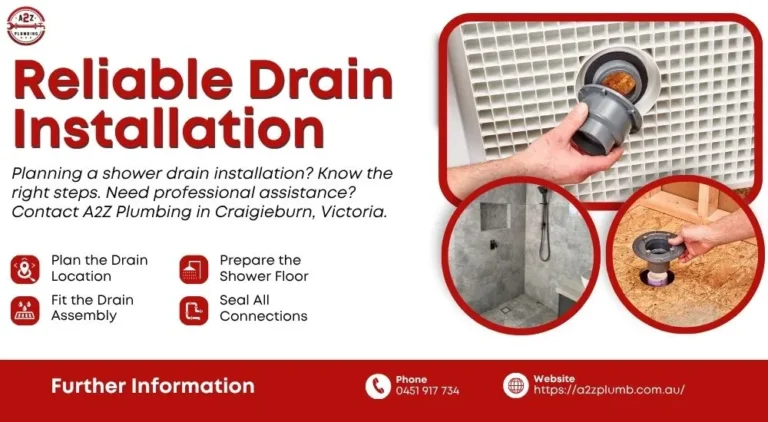
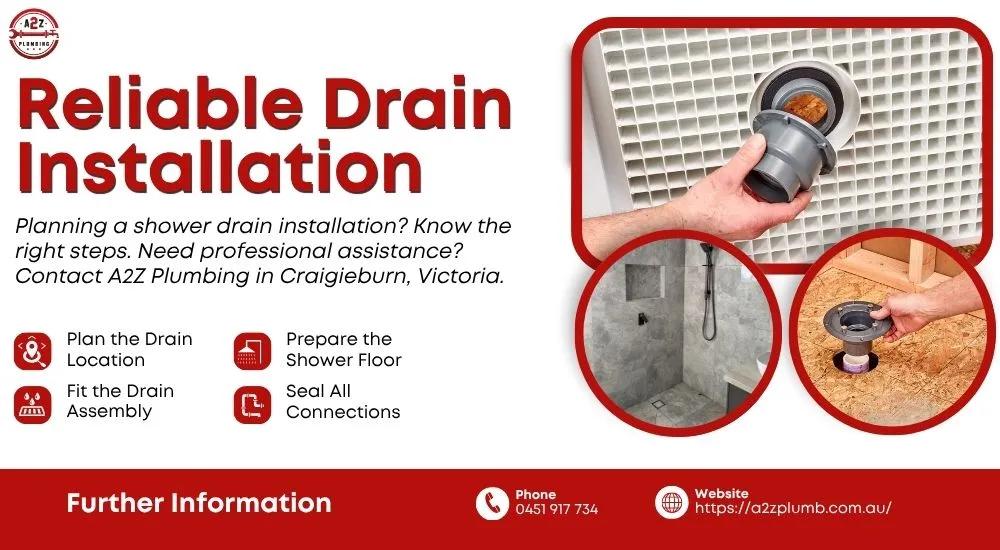
A properly installed shower drain is essential for keeping your bathroom clean, preventing leaks, and ensuring smooth water flow. Whether you’re remodeling your bathroom or replacing an old drain, installing a shower drain isn’t as complicated as it may seem. With the right tools and a step-by-step approach, you can handle this project on your own.
In this guide, we’ll walk you through the process of installing shower drain plumbing, highlight common mistakes, and provide tips for long-lasting results.
Tools and Materials Needed
Before starting, gather these essentials:
- Shower drain kit
- PVC or ABS pipe (depending on your plumbing)
- Pipe wrench or pliers
- Plumber’s putty or silicone sealant
- Hacksaw or pipe cutter
- Screwdriver
- Measuring tape
- Teflon tape
Step-by-Step Guide to Installing a Shower Drain
Step 1 – Prepare the Shower Base
Place the shower base in position and check the alignment with the existing drain line. Mark where the drain opening meets the pipe below.
Step 2 – Dry Fit the Drain Assembly
Before applying any sealant, test-fit the drain parts together with the pipe to ensure everything lines up properly.
Step 3 – Apply Plumber’s Putty or Sealant
Roll a bead of plumber’s putty and place it around the underside of the shower drain flange. This creates a watertight seal between the drain and the shower base.
Step 4 – Install the Drain Body
Insert the drain body into the shower base opening and press it firmly into place. From underneath, attach the rubber gasket and locknut, tightening them securely with a wrench.
Step 5 – Connect the Drain Pipe
Cut the drainpipe to the correct length using a hacksaw or pipe cutter. Apply primer and solvent cement (for PVC/ABS) or wrap threads with Teflon tape if threaded. Connect the pipe to the drain body.
Step 6 – Test the Connection
Once everything is secured, run water into the shower to check for leaks. Tighten fittings or reapply sealant if necessary.
Common Mistakes to Avoid
- Skipping plumber’s putty or sealant (can cause leaks)
- Overtightening the drain flange may crack the base.
- Misaligning the drain with the pipe below
- Using the wrong type of pipe cement or tape
Safety and Maintenance Tips
- Always double-check alignment before gluing or sealing pipes.
- Allow sealants and cements to cure fully before using the shower.
- Keep the drain clean with regular maintenance to avoid clogs.
- If installing in a new bathroom, follow local plumbing codes.
FAQs About Shower Drain Installation
- Can I install a shower drain without plumber’s putty?
Yes, silicone sealant can be used as an alternative, but plumber’s putty is more common. - How tight should a shower drain be?
Tight enough to compress the gasket and create a seal, but not so tight that it cracks the shower base. - Can I install a new shower drain on an old pipe?
Yes, but make sure the old pipe is in good condition and fits the new drain size. - What type of pipe is best for shower drains?
PVC is most commonly used for residential shower drains, but ABS is also common in some areas. - What if my shower drain still leaks after installation?
It may be due to poor sealing, misalignment, or damaged parts. In that case, a professional plumber should inspect the system.
Conclusion
Installing shower drain plumbing may seem challenging, but with careful preparation and the right tools, it’s a manageable DIY project. By following these steps and avoiding common mistakes, you can achieve a leak-free and durable drain connection.
However, if you encounter persistent leaks, alignment issues, or complex plumbing layouts, it’s best to call a licensed professional. For expert help with shower drains and bathroom plumbing, contact A2Z Plumbing Services.